



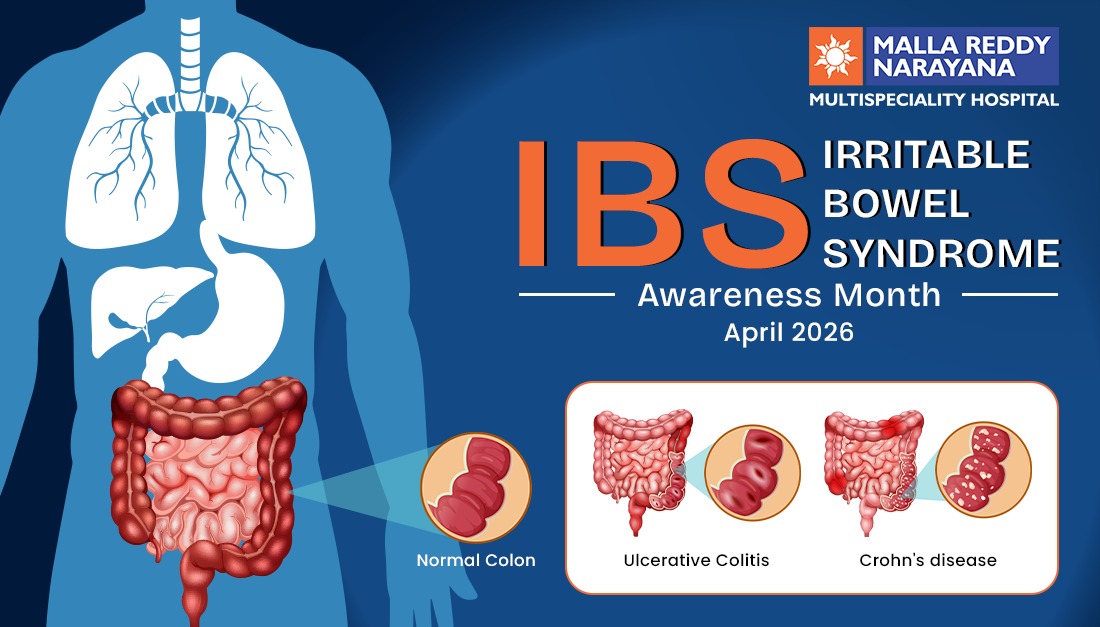
Irritable Bowel Syndrome (IBS) is a common yet often misunderstood gastrointestinal condition that affects the large intestine. Despite its prevalence, many individuals tend to ignore symptoms or mistake them for temporary digestive issues, leading to delayed diagnosis and prolonged discomfort.
IBS is a functional disorder, meaning it affects how the gut works rather than causing visible structural damage. It is characterized by a group of symptoms that can vary from person to person. The most common symptoms include abdominal pain or cramping, bloating, excessive gas, and changes in bowel habits such as diarrhea, constipation, or both. These symptoms can significantly impact daily life, affecting diet, work, and overall well-being.
The exact cause of IBS is not fully understood, but several factors are believed to contribute. These include abnormal gut motility, increased sensitivity of the intestines, gut-brain interaction issues, stress, and certain dietary triggers. In some cases, IBS may develop after an intestinal infection or due to changes in gut microbiota.
One of the key challenges in managing IBS is identifying triggers, as they differ among individuals. Common dietary triggers include spicy foods, caffeine, dairy products, and high-fat meals. Emotional stress and anxiety can also exacerbate symptoms, highlighting the strong connection between mental health and gut health.
While IBS is a chronic condition, it can be effectively managed with the right approach. Treatment typically involves a combination of dietary modifications, lifestyle changes, and medications when necessary. Increasing fiber intake, staying hydrated, regular physical activity, and managing stress through relaxation techniques can help reduce symptom severity. In some cases, doctors may recommend specific diets such as a low-FODMAP diet to identify and eliminate trigger foods.
It is important to differentiate IBS from other inflammatory bowel diseases like Crohn’s disease and ulcerative colitis, which involve structural damage and require different treatment approaches. A proper medical evaluation is essential to confirm the diagnosis and rule out other conditions.
IBS Awareness Month serves as a reminder to recognize symptoms early and seek medical guidance rather than self-managing persistent digestive issues. At Malla Reddy Narayana Multispeciality Hospital, our specialists provide comprehensive evaluation and personalized care to help patients manage IBS effectively and improve their quality of life.
FAQs
1. What is IBS?
A functional digestive disorder affecting bowel habits and causing abdominal discomfort without structural damage.
A functional digestive disorder affecting bowel habits and causing abdominal discomfort without structural damage.
2. What are common symptoms of IBS?
Abdominal pain, bloating, gas, diarrhea, constipation, or a combination of both.
Abdominal pain, bloating, gas, diarrhea, constipation, or a combination of both.
3. What triggers IBS symptoms?
Dietary factors, stress, hormonal changes, and gut sensitivity.
Dietary factors, stress, hormonal changes, and gut sensitivity.
4. Is IBS a serious condition?
It is not life-threatening but can significantly affect quality of life if unmanaged.
It is not life-threatening but can significantly affect quality of life if unmanaged.
5. When should I consult a doctor?
If symptoms are persistent, worsening, or affecting daily activities.
If symptoms are persistent, worsening, or affecting daily activities.